
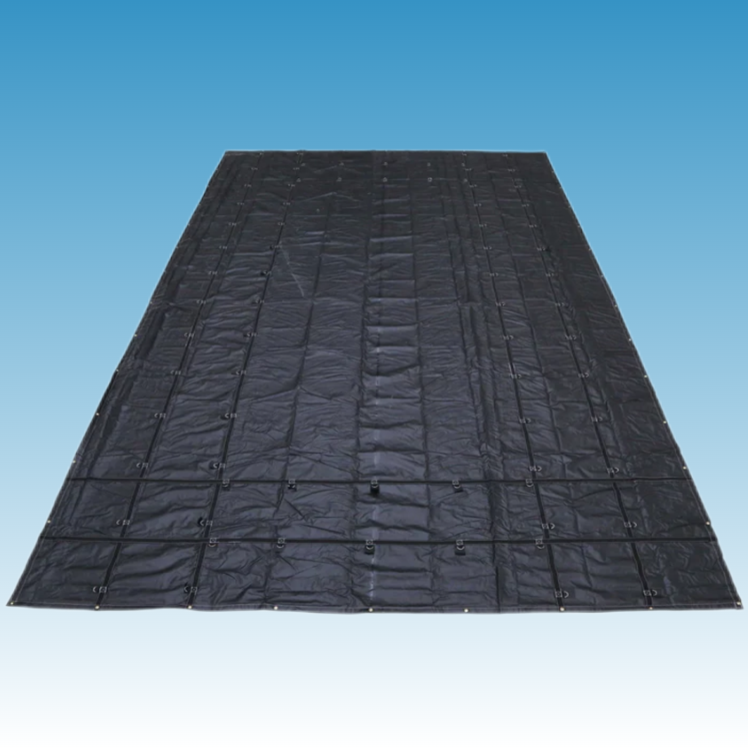
Long-haul trucking puts truck tarps through demanding working conditions. During repeated loading, unloading, folding, and transportation, steel tarps may experience friction, tension, abrasion, and exposure to changing weather. Over time, these factors can lead to worn edges, damaged seams, loose grommets, and tears that reduce the tarp’s service life.
For trucking companies that regularly transport steel plates, metal coils, pipes, and other heavy materials, learning how to reduce steel tarp wear during long-haul trucking can help control replacement costs and improve daily operating efficiency. Proper tarp selection, installation, inspection, and maintenance all contribute to better performance.
Choose a Steel Tarp Designed for Heavy-Duty Use
The first step is choosing a tarp that matches the demands of long-distance transportation. A lightweight cover may not withstand frequent handling or repeated exposure to wind and road conditions.
A heavy duty steel tarp for trucking should have durable fabric, reliable seams, reinforced edges, and suitable fastening points. Buyers should evaluate the overall construction rather than choosing a product based only on thickness.
For example, a steel tarp for flatbed trucks needs to fit the load and truck configuration properly. A cover that is too small may stretch excessively, while an oversized tarp can flap in the wind and experience additional abrasion.
When purchasing a steel cargo tarp for long-distance transport, consider the cargo dimensions, frequency of use, covering method, and expected weather conditions. Selecting the right specification from the beginning can reduce unnecessary wear.
Reduce Friction Between the Tarp and Metal Cargo
Sharp edges and rough metal surfaces are common causes of tarp damage. During transportation, small movements can cause the tarp to rub against steel plates, beams, pipes, or other cargo.
Before covering the load, inspect areas where the tarp will contact sharp corners or rough surfaces. Use suitable edge protectors, padding, or other protective materials where appropriate. These measures can help prevent punctures and reduce abrasion.
This is especially important when using a steel tarp for hauling metal coils or steel plates, as concentrated pressure and repeated movement can damage the fabric.
Cargo should also be secured correctly. Excessive movement can increase friction, while poorly positioned restraints may create additional pressure points. A suitable cargo-securing system and properly installed tarp should work together rather than placing unnecessary stress on the cover.
Install the Steel Tarp with Even Tension
Incorrect installation can shorten the service life of even a durable tarp. If one section is pulled too tightly, the fabric and seams may experience excessive stress. If the tarp is too loose, wind can cause repeated flapping and rubbing.
When installing a steel tarp for long-haul trucking, distribute tension evenly across the cover and use the designated grommets, straps, or fastening points. Avoid pulling excessively on individual corners or attaching restraints in ways that concentrate the load on one small area.
Check that the tarp covers the intended cargo area without interfering with the vehicle’s safety equipment. Before departure, inspect the fastening system and make sure loose sections are secured.
Correct installation helps reduce wind-related movement, unnecessary fabric stress, and premature wear around reinforced edges.
Inspect Seams, Grommets, and Reinforced Edges Regularly
Long-distance transportation can involve many hours on the road, making small defects easy to overlook. A minor tear or loose grommet can become a larger problem if it is repeatedly exposed to tension and movement.
Establish a routine inspection schedule for your commercial steel truck tarps. Check the following areas:
- Seams and stitching for separation or loose threads
- Grommets for deformation, looseness, or tearing around the holes
- Reinforced edges for fraying and abrasion
- Fabric surfaces for punctures, cracks, or worn patches
- Straps and fastening accessories for damage
Inspect the tarp before loading and after unloading. For frequent long-haul operations, additional checks during safe stops can help identify problems before they become more serious.
Repair minor damage promptly when the material and repair method allow it. A consistent inspection routine is particularly valuable for companies managing multiple trucks and tarps.
Clean, Dry, and Store the Tarp Properly
Dirt, metal particles, and other debris can increase abrasion when the tarp is folded or handled. Cleaning the cover after use helps remove contaminants that may gradually damage the fabric.
Follow the manufacturer’s cleaning instructions and use compatible cleaning materials. Avoid aggressive cleaning methods that could weaken coatings, seams, or waterproof layers.
Whenever practical, allow the tarp to dry before folding it for storage. Keeping a wet tarp tightly folded for extended periods may encourage mildew or contribute to material deterioration, depending on its construction and storage conditions.
Store the tarp in a clean, dry location away from sharp objects and unnecessary compression. Proper steel tarp maintenance for trucking fleets can reduce avoidable damage and help companies get more use from their existing covers.
Choose a Reliable Steel Tarp Supplier
Tarp durability depends on both product construction and how the tarp is used. Trucking businesses should work with a supplier that can explain material options, dimensions, reinforcement details, and suitable applications.
Feicheng Tongfa manufactures and supplies tarpaulin products for transportation, storage, agriculture, and other protective applications. For buyers looking for a steel tarp manufacturer or a dependable steel tarp supplier, discussing cargo dimensions, usage frequency, and reinforcement requirements can help identify a suitable product specification.
Businesses with specialized loads may also consider a custom steel tarp for flatbed trucking. For companies purchasing steel tarps in bulk, consistent specifications can simplify ordering, equipment management, and replacement planning.
When evaluating a supplier, ask about product construction, customization options, care recommendations, and quality consistency. Choosing an appropriate tarp from the start is an important part of reducing long-term replacement expenses.
結論
Reducing steel tarp wear during long-haul trucking requires more than buying a thicker cover. The most effective approach combines suitable material selection, protection against sharp edges, even installation tension, regular inspections, and proper cleaning and storage.
For trucking companies that depend on heavy duty steel tarps for long-distance transport, these practices can help reduce avoidable damage and improve service life. Feicheng Tongfa provides tarpaulin solutions for businesses seeking practical covers suited to transportation and other demanding applications.
よくあるご質問
1. What causes steel tarps to wear out during long-haul trucking?
Common causes include friction against sharp metal edges, wind-related flapping, uneven tension, repeated folding, damaged fastening points, and poor storage practices.
2. How often should steel truck tarps be inspected?
Inspect the tarp before loading and after unloading. For frequent long-distance trips, check it again during safe stops when appropriate. The inspection frequency should reflect usage intensity, cargo type, and road conditions.
3. Can a custom steel tarp help reduce wear?
Yes. A properly sized custom steel tarp can improve coverage and reduce unnecessary stretching or loose sections. Reinforced edges and suitable fastening points can also help, provided the tarp is installed and maintained correctly.